The Sac & Fox Nation: A Deep Dive into History and Treaty Lands
The collective term "Sac & Fox Nation" refers primarily to three federally recognized tribal entities in the United States: the Sac & Fox Nation (of Oklahoma), the Sac & Fox Tribe of the Mississippi in Iowa (Meskwaki Nation), and the Sac & Fox Nation of Missouri in Kansas and Nebraska. While distinct in their contemporary governance and geographic location, these nations share a profound and often tumultuous history rooted in the Algonquian-speaking peoples of the Great Lakes region. Their narrative is one of resilience, forced migration, cultural preservation, and a relentless struggle to maintain sovereignty in the face of relentless colonial expansion and broken treaties.
Origins and Early European Contact
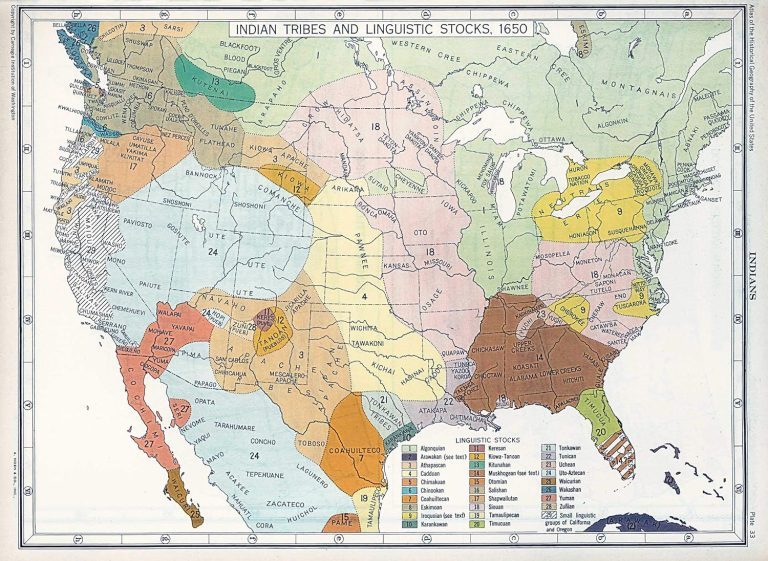
The ancestors of what would become the Sac and Fox Nations were two distinct Algonquian tribes: the Sauk (or Thâkîwaki, "people of the yellow earth") and the Meskwaki (or Meshkwahkihaki, "people of the red earth," often referred to by the French as "Fox"). Originally inhabiting territories around present-day Michigan, Wisconsin, and the Fox River Valley, these tribes were skilled hunters, farmers, and traders. They lived in semi-permanent villages, practicing seasonal migration for hunting and gathering, and maintained complex social and political structures.
European contact, primarily through French fur traders in the 17th century, dramatically altered their world. The lucrative fur trade introduced European goods and created new economic dependencies. However, it also intensified intertribal conflicts, notably the "Beaver Wars," which saw the powerful Iroquois Confederacy push other tribes, including the Sauk and Meskwaki, westward. This period of displacement and conflict often led to the two tribes forming a loose confederacy for mutual protection and survival against common enemies, including the French, other Native nations, and later, the encroaching Americans. The Meskwaki, in particular, fiercely resisted French attempts at control, leading to the devastating "Fox Wars" (early 18th century), which significantly reduced their population but solidified their reputation for tenacity.
The Era of Treaties and Land Cessions: The Great Lakes to the Mississippi
As the 18th century progressed, British influence replaced French, and the Sac and Fox found themselves strategically positioned between competing colonial powers. They often allied with the British, notably during the French and Indian War and the War of 1812, viewing them as a lesser threat to their sovereignty compared to the expansionist Americans. This alliance would later prove detrimental in their relationship with the nascent United States.
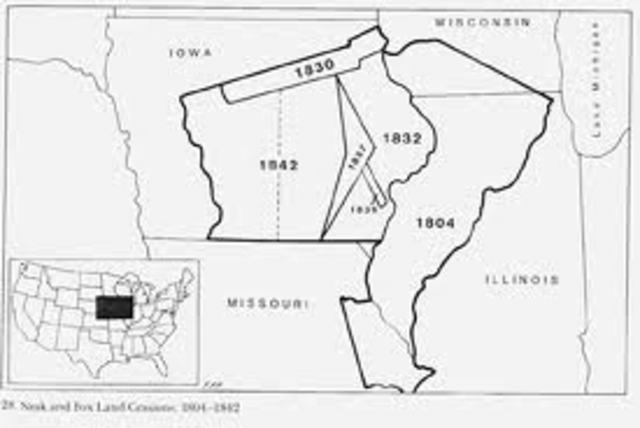
The 19th century marked a catastrophic period of land dispossession for the Sac and Fox, primarily through a series of treaties often signed under duress, misunderstanding, or by unauthorized tribal factions. The most significant and controversial of these was the Treaty of St. Louis (1804). Signed by a small delegation of Sauk leaders, likely without full tribal authority or comprehension of its implications, this treaty purported to cede vast tracts of land—approximately 50 million acres—encompassing much of present-day Illinois, parts of Wisconsin, and Missouri, for a paltry sum and annual annuities.
The majority of the Sauk and Meskwaki did not recognize the validity of the 1804 treaty. This fundamental disagreement over land ownership laid the groundwork for decades of escalating conflict. As American settlers poured into the ceded territories, the Sac and Fox, particularly the band led by the revered warrior Black Hawk, refused to abandon their ancestral villages, most notably Saukenuk at the confluence of the Rock and Mississippi Rivers.
The climax of this resistance came with the Black Hawk War of 1832. Driven by the desire to return to their traditional planting grounds at Saukenuk and spurred by the broken promises of the 1804 treaty, Black Hawk led his "British Band" (a mix of Sauk, Meskwaki, and Kickapoo) across the Mississippi into Illinois. The ensuing conflict was short but brutal. Despite initial successes, Black Hawk’s band, including women, children, and elders, was eventually cornered and massacred at the Battle of Bad Axe.
The defeat in the Black Hawk War led directly to the Treaty of Fort Armstrong (1832), often called the "Black Hawk Purchase." This punitive treaty forced the Sac and Fox to cede another 6 million acres of prime land in Iowa, creating a "Keokuk Reserve" (named after a rival Sauk chief who favored accommodation) and initiating a series of removals that would push the tribes further west. Subsequent treaties in 1836, 1837, 1842, and 1846 systematically stripped away their remaining lands in Iowa, culminating in their forced removal across the Missouri River.
Westward Displacement: Kansas and the Genesis of Three Nations
The removals of the 1830s and 1840s were arduous and devastating, mirroring the "Trail of Tears" experienced by southeastern tribes. The Sac and Fox were resettled on a reservation in what is now eastern Kansas, near the present-day towns of Quenemo and Pomona. Here, the federal government attempted to impose an agrarian lifestyle, divide communal lands, and assimilate the tribes into American society. However, the pressures of westward expansion continued unabated.
The Kansas-Nebraska Act of 1854 opened these territories to white settlement, once again placing the Sac and Fox lands in the path of pioneers. Through further treaties in 1854 and 1859, their Kansas reservation was drastically reduced, and the remaining lands were eventually allotted to individual tribal members under the Dawes Act of 1887. This policy, intended to break up tribal landholdings and further assimilation, resulted in significant loss of land through sales, taxes, and fraud.
It was during this period of intense pressure and fragmentation that the three distinct Sac and Fox entities began to solidify their separate paths:
-
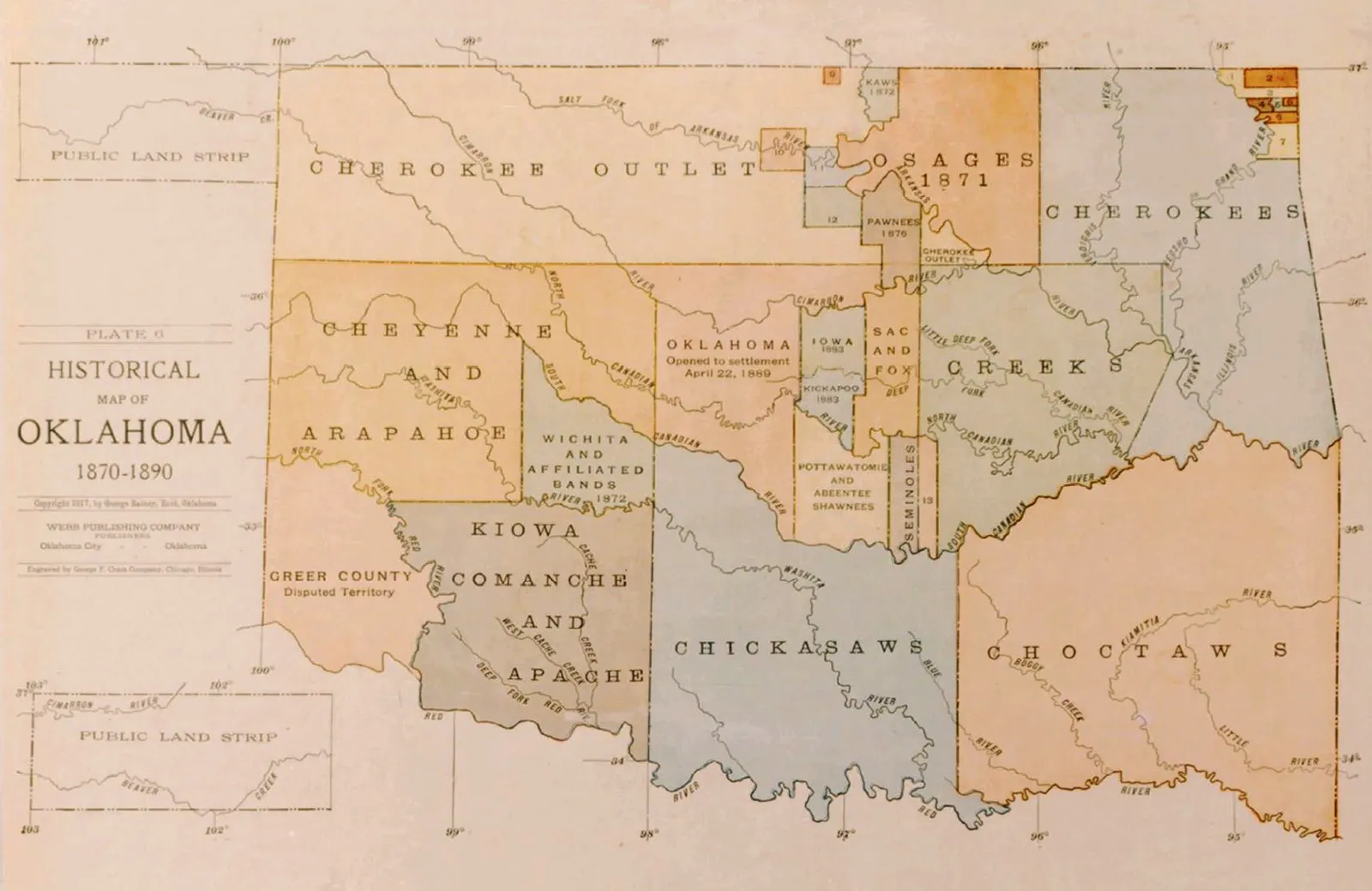
The Sac & Fox Nation (of Oklahoma): The largest group, comprising many Sauk and Meskwaki people, was ultimately forced to relocate from Kansas to Indian Territory (present-day Oklahoma) in the 1880s, primarily after the Cherokee Outlet Land Run. They established their current reservation lands near Stroud and Shawnee, Oklahoma. The Dawes Act’s allotment policies also profoundly impacted them, leading to the loss of vast tribal acreage.
-
The Sac & Fox Tribe of the Mississippi in Iowa (Meskwaki Nation): This group represents a unique and powerful act of self-determination. Unlike other removed tribes, a significant number of Meskwaki people, refusing to abandon their ancestral ties to Iowa, began to return to the state from Kansas in the 1850s. Through an extraordinary effort, they pooled their annuity payments and, with the assistance of sympathetic Iowa citizens, purchased their own land near Tama, Iowa, in 1857. This was not a federal reservation but a self-purchased "Settlement," granting them a unique legal status and a greater degree of autonomy over their lands and governance, which they continue to exercise today.
-
The Sac & Fox Nation of Missouri in Kansas and Nebraska: A smaller group, primarily Sauk, chose to remain on a smaller reservation straddling the Kansas-Nebraska border after the larger group moved to Oklahoma. They maintained their distinct identity and governance on these remaining lands, also subject to the pressures of allotment and assimilation.
Modern Era: Resilience, Sovereignty, and Cultural Revitalization
The 20th and 21st centuries have been periods of profound revitalization for all three Sac and Fox Nations. Despite the traumas of forced removal, land loss, and assimilation policies, they have steadfastly maintained their distinct cultural identities, languages, and spiritual traditions.
Sovereignty and Self-Determination: All three nations have actively pursued self-determination, strengthening their tribal governments, developing tribal courts, and asserting their inherent sovereignty. They have navigated federal policies such as the Indian Reorganization Act of 1934 (which allowed for the re-establishment of tribal governments) and the Self-Determination and Education Assistance Act of 1975 (which empowered tribes to manage their own federal programs).
Cultural Preservation: Efforts are ongoing to preserve and promote the Sauk and Meskwaki languages, traditional ceremonies, storytelling, and arts. Educational programs, cultural centers, and annual powwows serve to connect younger generations with their rich heritage.
Economic Development: To ensure the well-being of their members and fund tribal services, the nations have engaged in diverse economic ventures, including gaming (casinos), agriculture, tourism, and other enterprises. These initiatives have allowed them to build infrastructure, provide healthcare, education, and social services, and regain economic independence.
Ongoing Challenges: Despite their successes, the Sac and Fox Nations continue to face challenges, including land claim issues, historical trauma, economic disparities, and the ongoing struggle to protect their natural resources and cultural sites.
Conclusion
The history of the Sac and Fox Nations is a compelling testament to the endurance of Indigenous peoples in North America. From their origins in the Great Lakes to their forced migrations across the Mississippi and Missouri Rivers, their story is inextricably linked to the complex and often brutal history of US expansion and treaty-making. The vast treaty lands they once held, stretching across multiple states, stand as a stark reminder of the immense sacrifices they made. Yet, their fragmented existence into three distinct, thriving nations today also underscores their remarkable adaptability, unwavering spirit, and their ongoing commitment to cultural survival, self-governance, and a vibrant future for their people.


