The Iowa Tribe of Oklahoma Cultural Center: A Beacon of Bah-Kho-Je Identity and Resilience
Abstract: The Iowa Tribe of Oklahoma Cultural Center stands as a pivotal institution dedicated to the preservation, revitalization, and promulgation of the unique cultural heritage of the Bah-Kho-Je Nation (Iowa Tribe of Oklahoma). This article provides an in-depth exploration of the Cultural Center, examining its historical context, foundational mission, comprehensive collections, diverse programming, and profound significance. Operating as a living repository of knowledge, language, and artistic expression, the Center plays an indispensable role in strengthening tribal identity, fostering intergenerational knowledge transfer, and educating both tribal members and the broader public about the enduring legacy and contemporary vitality of the Iowa people.
Keywords: Iowa Tribe of Oklahoma, Bah-Kho-Je Nation, Cultural Center, Indigenous culture, language revitalization, cultural preservation, Native American heritage, museum studies, tribal sovereignty.
1. Introduction: The Imperative of Indigenous Cultural Centers
In an era marked by the ongoing efforts of Indigenous peoples worldwide to reclaim, revitalize, and assert their cultural identities following centuries of colonial suppression, tribal cultural centers have emerged as critical institutions. These centers are more than mere repositories of artifacts; they are dynamic spaces of learning, celebration, and community building, embodying the resilience and self-determination of sovereign nations. The Iowa Tribe of Oklahoma Cultural Center exemplifies this vital role, serving as the cultural heart of the Bah-Kho-Je Nation. This article delves into the multifaceted nature of the Center, illuminating its genesis, operational framework, and profound contributions to the cultural landscape of the Iowa Tribe and beyond.
2. Historical Context: The Bah-Kho-Je Nation
To fully appreciate the significance of the Iowa Tribe of Oklahoma Cultural Center, it is essential to understand the historical journey of the Bah-Kho-Je Nation. The Iowa people, whose autonym Bah-Kho-Je translates to "Dusty Noses" or "Grey Snow," are a Siouan-speaking tribe historically residing in the Great Lakes region, particularly the areas now known as Iowa, Minnesota, and Wisconsin. Their traditional territories were vast, encompassing rich ecosystems that supported their agricultural, hunting, and gathering lifeways.
The 17th to 19th centuries brought immense upheaval, characterized by escalating pressures from European colonial expansion, intertribal conflicts exacerbated by the fur trade, and ultimately, forced removal policies enacted by the United States government. Through a series of treaties, the Iowa people were dispossessed of their ancestral lands, leading to their relocation to reservations in Kansas and Nebraska. Further governmental policies, notably the Dawes Act of 1887, aimed at breaking up tribal communal lands into individual allotments, severely fragmented their land base and cultural cohesion.
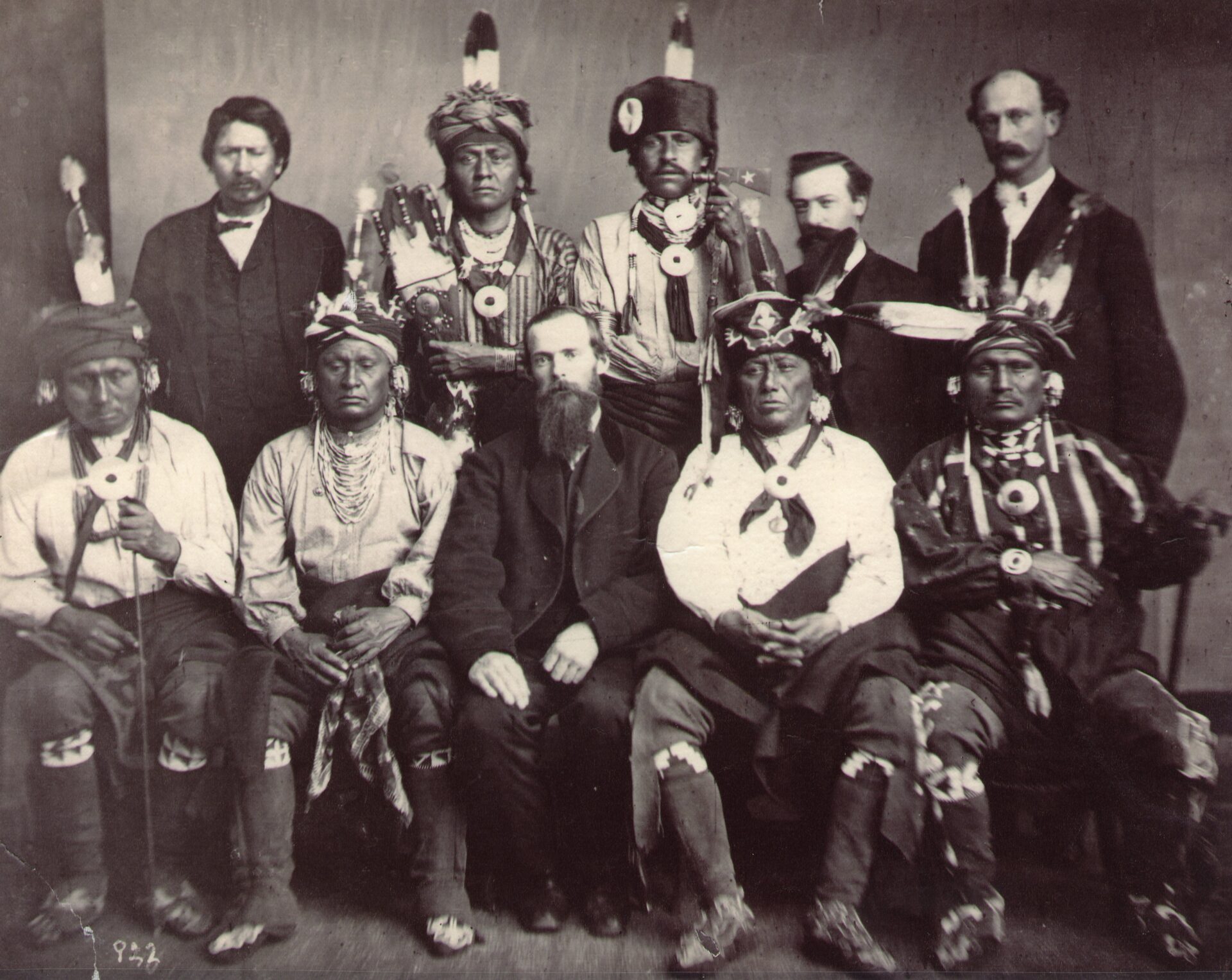
A significant portion of the Iowa people were subsequently relocated to Indian Territory, present-day Oklahoma, during the late 19th century. This forced migration resulted in the establishment of the Iowa Tribe of Oklahoma, a distinct sovereign nation with its own unique history and challenges. Despite immense pressures to assimilate, the Iowa people steadfastly maintained elements of their traditional governance, language, spiritual beliefs, and social structures. The establishment of a cultural center thus represents a profound act of self-determination, a deliberate effort to reconstruct and strengthen what was systematically dismantled.
3. Genesis and Mission of the Cultural Center
The impetus for establishing the Iowa Tribe of Oklahoma Cultural Center arose from a collective recognition among tribal elders and leaders of the urgent need to preserve the rapidly diminishing elements of their heritage. Decades of assimilation policies, coupled with the passing of elder generations who held invaluable knowledge, threatened the continuity of the Báxoje-Jíwere-Ñút’achi language (Ioway-Otoe-Missouria), traditional ceremonies, stories, and artistic practices.
The vision for the Cultural Center was rooted in a holistic approach: to create a centralized, tribally-controlled institution that would serve as a focal point for cultural education, research, and revitalization. Its foundational mission encompasses several core objectives:
- Preservation: To meticulously collect, document, conserve, and exhibit historical artifacts, archival materials, oral histories, and contemporary expressions of Iowa culture.
- Education: To provide comprehensive cultural education to tribal members of all ages, fostering a deep understanding of their history, language, and traditions, and to educate the non-Native public about Iowa culture, challenging stereotypes and promoting cross-cultural understanding.
- Revitalization: To actively promote the resurgence of the Báxoje-Jíwere-Ñút’achi language, traditional arts, ceremonial practices, and storytelling, ensuring their continuity for future generations.
- Community Engagement: To serve as a vibrant community hub, encouraging intergenerational knowledge transfer, fostering a strong sense of tribal identity and pride, and facilitating cultural events and gatherings.
- Research: To support scholarly research on Iowa history, language, and culture, collaborating with tribal members and academic institutions.
The Center’s development involved significant tribal initiative, grant funding, and community involvement, culminating in a facility designed to meet these ambitious goals.
4. Facilities and Collections
The Iowa Tribe of Oklahoma Cultural Center comprises a thoughtfully designed complex that accommodates its diverse functions. The physical space is typically organized to facilitate different aspects of cultural work:
-
Museum Exhibition Halls: These halls feature permanent and rotating exhibits that narrate the history, lifeways, and contemporary experiences of the Iowa people. Exhibits showcase a wide array of artifacts, including:
- Archaeological finds: Tools, pottery shards, and remnants offering glimpses into pre-contact Iowa life.
- Historical artifacts: Traditional clothing (e.g., ribbonwork dresses, moccasins), hunting implements, ceremonial objects (e.g., pipes, rattles), domestic tools, and items related to treaty negotiations and reservation life.
- Contemporary art: Works by modern Iowa artists that demonstrate the continuity and evolution of tribal artistic expression.
- Interactive displays: Incorporating audio-visual elements, elder testimonials, and tactile experiences to engage visitors of all ages.
-
Archival Repository: A climate-controlled archive houses invaluable historical documents, including tribal records, governmental correspondence, land deeds, genealogies, personal papers, and photographic collections. These archives are crucial for historical research, land claim substantiation, and family history exploration.
-
Research Library: The library provides a dedicated space for study, offering a specialized collection of books, journals, academic papers, and multimedia resources pertaining to the Iowa Tribe, other Indigenous peoples of the Great Plains and Woodlands, and general Native American studies.
-
Language Lab and Classrooms: Equipped with modern technology, these spaces are dedicated to language instruction and cultural workshops.
-
Community and Performance Spaces: Areas designed for traditional ceremonies, public gatherings, cultural performances (e.g., drum and dance groups), and community events, fostering a vibrant social and cultural life.
-
Administrative Offices: Housing the staff responsible for the Center’s operations, collections management, program development, and outreach.
The collections are meticulously cataloged and conserved by trained professionals, adhering to best practices in museum and archival management, while also incorporating Indigenous perspectives on care and access to cultural patrimony.
5. Programs and Initiatives
The core of the Cultural Center’s mission is realized through its dynamic range of programs and initiatives, tailored to engage both tribal members and the wider public:
-
Language Revitalization Program: Recognizing the critical state of the Báxoje-Jíwere-Ñút’achi language, the Center prioritizes its revitalization. Programs include:
- Adult language classes: Ranging from beginner to advanced levels.
- Youth immersion camps: Providing intensive language exposure for children.
- Development of language resources: Dictionaries, phrasebooks, online learning platforms, and apps.
- Elder-youth mentorships: Connecting fluent elders with younger generations to facilitate direct language transfer.
- Documentation projects: Recording and transcribing elder narratives and traditional songs to preserve linguistic nuances.
-
Traditional Arts and Crafts Workshops: These hands-on workshops teach traditional Iowa artistic skills, such as:
- Beadwork and Quillwork: Techniques for creating intricate designs on regalia, jewelry, and decorative items.
- Regalia Making: Instructions on constructing traditional dance attire and ceremonial dress.
- Pottery and Basketry: Reviving ancestral crafting methods.
- Storytelling and Oral Traditions: Sessions dedicated to learning and sharing traditional Iowa stories, myths, and historical accounts.
-
Youth Cultural Programs: Designed to instill pride and knowledge in younger generations, these programs include:
- After-school clubs: Focused on language, crafts, and history.
- Summer cultural camps: Offering immersive experiences in traditional lifeways, outdoor skills, and ceremonies.
- Leadership development: Encouraging youth to become future cultural leaders and knowledge keepers.
-
Public Outreach and Educational Programs: The Center actively engages with external communities through:
- School presentations: Visiting local schools to share Iowa history and culture.
- Guest speaker series: Featuring tribal elders, scholars, and artists.
- Cultural awareness events: Open houses, festivals, and demonstrations for the general public.
- Collaborations: Partnering with other museums, universities, and cultural institutions to broaden its reach and impact.
-
Ceremonial Support: While specific ceremonial practices often remain private to the tribe, the Center facilitates the resources and spaces necessary for community spiritual leaders and members to observe and maintain traditional ceremonies, ensuring the continuity of sacred practices.
6. Educational Impact and Community Significance
The impact of the Iowa Tribe of Oklahoma Cultural Center extends far beyond its physical walls. Internally, it serves as a powerful instrument for strengthening tribal identity, fostering self-esteem, and reinforcing the sovereignty of the Bah-Kho-Je Nation. By providing access to their heritage, the Center empowers tribal members to connect with their ancestors, understand their historical resilience, and envision a culturally vibrant future. It bridges generational gaps, ensuring that traditional knowledge is passed down effectively and respectfully.
Externally, the Center plays a crucial role in educating the broader public, countering historical misrepresentations and stereotypes of Native Americans. Through its exhibits and outreach programs, it offers authentic perspectives on Iowa history, culture, and contemporary issues, promoting a more nuanced and accurate understanding of Indigenous peoples. This educational function is vital for fostering respect, reconciliation, and meaningful cross-cultural dialogue.
Furthermore, the Center contributes to the economic well-being of the tribe by creating employment opportunities, attracting cultural tourism, and supporting local artists and craftspeople. It stands as a testament to the Iowa Tribe’s commitment to self-determination and its active role in shaping its own narrative.
7. Challenges and Future Directions
Despite its successes, the Iowa Tribe of Oklahoma Cultural Center faces ongoing challenges inherent in cultural preservation work. Securing sustainable funding remains a constant endeavor, essential for maintaining facilities, conserving collections, and developing innovative programs. Staffing, particularly attracting and retaining individuals with specialized skills in museum studies, archival management, and Indigenous language instruction, is also crucial. The ongoing struggle to increase fluency in the Báxoje-Jíwere-Ñút’achi language among younger generations requires sustained effort and creative methodologies.
Looking to the future, the Cultural Center envisions several key directions:
- Expansion of Digital Resources: Enhancing online accessibility to collections, language learning tools, and virtual exhibits to reach a wider audience globally.
- Advanced Language Technology: Investing in cutting-edge technology for language documentation, revitalization, and immersive learning experiences.
- Collaborative Research: Strengthening partnerships with academic institutions and other tribal nations for joint research projects on topics such as ethnobotany, historical ecology, and comparative Indigenous studies.
- Endowment Building: Establishing a robust endowment to ensure the long-term financial stability and independence of the Center.
- Community-Driven Cultural Innovation: Supporting tribal members in developing new forms of cultural expression that honor tradition while engaging with contemporary contexts.
8. Conclusion
The Iowa Tribe of Oklahoma Cultural Center is far more than a building; it is a living, breathing testament to the enduring spirit and profound resilience of the Bah-Kho-Je Nation. As a dynamic institution dedicated to preservation, education, and revitalization, it serves as a vital anchor for tribal identity, a powerful educational resource, and a beacon of cultural continuity. In an increasingly globalized world, such centers are indispensable for ensuring that Indigenous voices are heard, histories are remembered, and cultures continue to thrive, enriching the tapestry of human heritage for generations to come. The Center stands as a powerful declaration that the Iowa people are here, their culture is vibrant, and their future is bright.


