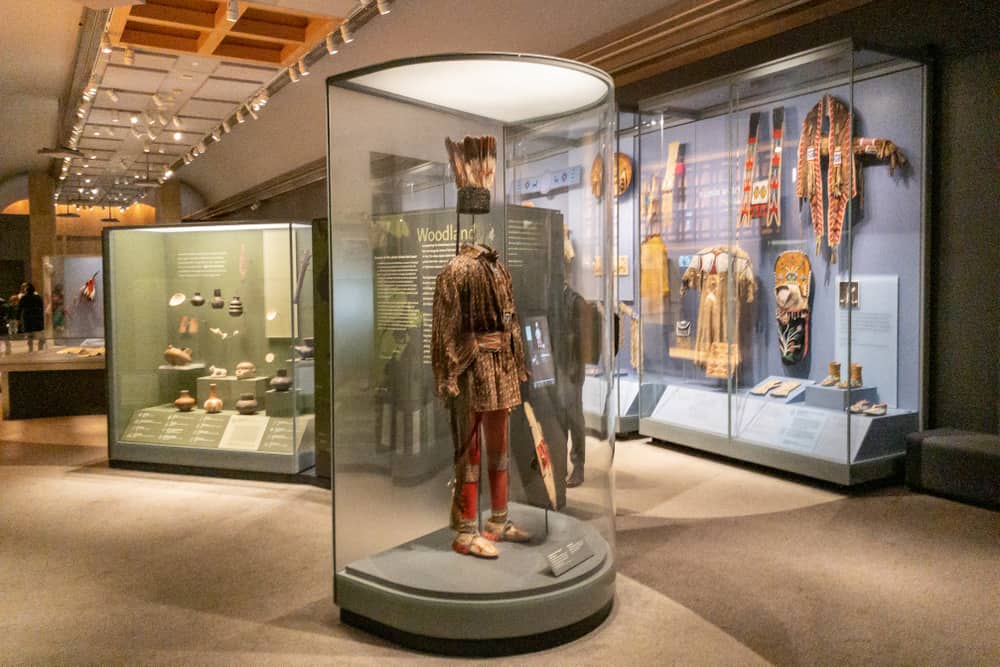
The Quest for Authenticity and Depth: Exploring Best Native American Museums for Adults
Identifying the "best" Native American museum for adults is a nuanced endeavor, as the concept of "best" is inherently subjective and deeply intertwined with individual interests, geographical location, and specific cultural foci. The rich tapestry of Indigenous cultures across North America is so vast and diverse that no single institution can encapsulate it entirely. Furthermore, the role of museums in representing Native American peoples has undergone a profound transformation, moving from often problematic ethnographic displays to collaborative spaces prioritizing Indigenous voices, sovereignty, and contemporary relevance.
For adults seeking a profound and authentic engagement with Native American history, art, and living cultures, the criteria extend beyond mere collection size. Key considerations include: the depth of scholarly interpretation, the prominence of Indigenous perspectives, the critical examination of historical narratives (including colonialism and resilience), the integration of contemporary issues and artistic expressions, and a commitment to ethical practices like repatriation. This article will explore several leading institutions that exemplify these qualities, offering unparalleled experiences for adult visitors seeking a sophisticated and deeply informed understanding of Native American heritage.
The Evolving Landscape of Native American Representation in Museums
Historically, many museums presented Native American cultures through an anthropological lens that often exoticized, essentialized, or even perpetuated the "vanishing race" myth. Collections were frequently acquired without consent, and narratives were largely constructed by non-Indigenous scholars. The late 20th and early 21st centuries have witnessed a significant paradigm shift, largely driven by Indigenous activism, federal legislation like the Native American Graves Protection and Repatriation Act (NAGPRA), and a growing recognition of the ethical responsibilities of cultural institutions.
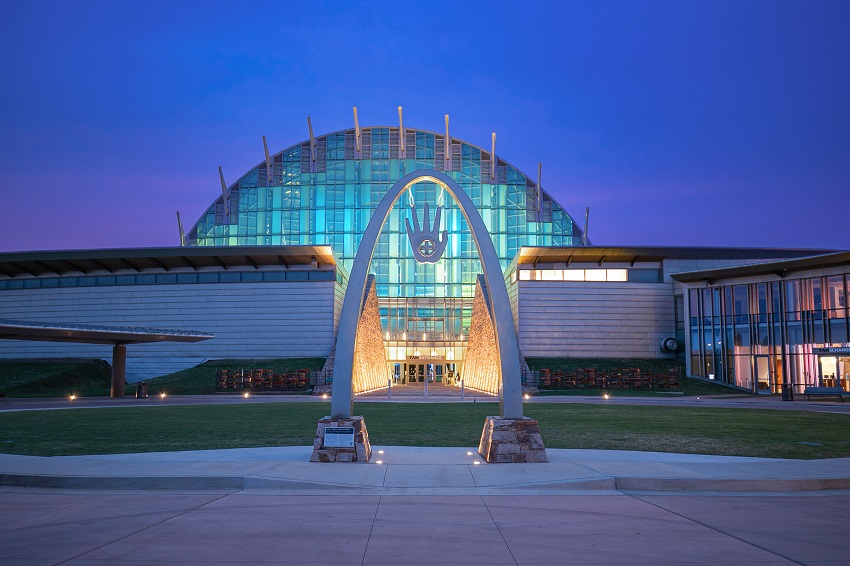
Today, leading Native American museums strive for:
- Indigenous Self-Representation: Prioritizing the voices, interpretations, and curatorial expertise of Native peoples.
- Decolonization of Narratives: Critically examining past biases, confronting difficult histories, and presenting Indigenous perspectives on colonization, resistance, and survival.
- Contemporary Relevance: Showcasing living cultures, contemporary art, and addressing modern challenges and triumphs.
- Collaborative Practice: Engaging in meaningful partnerships with tribal nations in collection management, exhibition development, and educational programming.
- Cultural Revitalization: Supporting language preservation, traditional arts, and cultural practices.
These evolving principles are central to what makes a museum truly exceptional for adult visitors who desire more than a superficial overview.
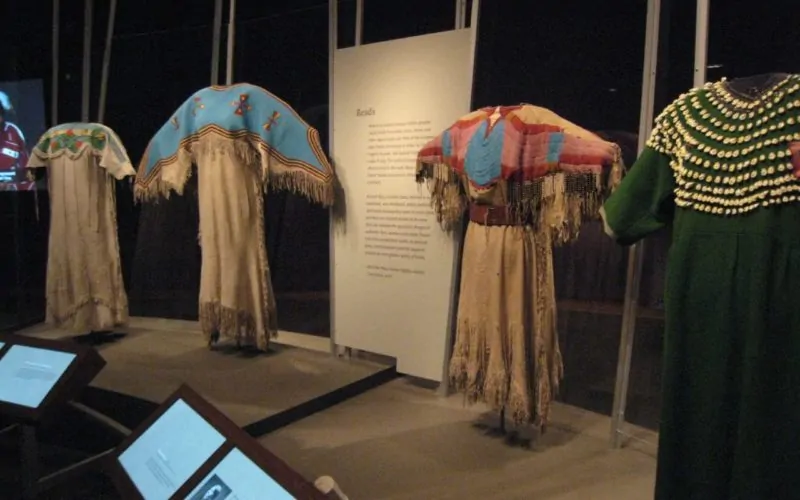
Premier Institutions for In-Depth Adult Engagement
1. The National Museum of the American Indian (NMAI), Smithsonian Institution (Washington D.C. & New York City)
Undoubtedly a cornerstone in the landscape of Native American museums, the NMAI stands out for its unique founding principles and national scope. Established by an Act of Congress in 1989, its mission is "to advance knowledge and understanding of the Native cultures of the Western Hemisphere, past and present, through partnership with Native people and others." This mandate underscores its commitment to Indigenous perspectives.
NMAI in Washington D.C.: Located on the National Mall, the D.C. branch is renowned for its striking architectural design, inspired by natural forms and Indigenous building traditions. For adults, the museum offers:
- Thematic Exhibitions: Unlike traditional museums that often organize by tribe or region, NMAI D.C. frequently explores overarching themes such as sovereignty, cosmology, environment, and contemporary life through diverse tribal examples. This approach encourages visitors to think critically about shared Indigenous experiences and distinct cultural expressions.
- Emphasis on Living Cultures: Exhibitions consistently highlight the continuity of Native cultures, art forms, and political structures into the present day, moving beyond the static "past tense" often found in older institutions.
- Indigenous Voice: The museum’s interpretative texts, multimedia presentations, and public programs are heavily informed by Native scholars, elders, and community members, ensuring authentic representation.
- Extensive Public Programs: NMAI hosts a rich calendar of lectures, film screenings, performances, and cultural demonstrations, providing opportunities for deeper engagement and direct interaction with Native artists and cultural practitioners. Its research facilities also offer invaluable resources for scholars.
George Gustav Heye Center (NMAI New York City): Housed in the historic Alexander Hamilton U.S. Custom House, this branch focuses more on art, performances, and smaller, often rotating exhibitions that delve into specific topics or artists. It offers a complementary experience, often with a more intimate scale.
2. The Heard Museum (Phoenix, Arizona)
For those interested in the vibrant cultures and artistic traditions of the American Southwest, the Heard Museum is an unparalleled destination. Founded in 1929, it has evolved into a world-renowned institution celebrated for its exquisite collections of historic and contemporary Native American art.
Strengths for Adults:
- Masterful Collections: The Heard boasts an extraordinary collection of pottery, jewelry, textiles, basketry, kachina dolls, and contemporary fine art, offering a comprehensive survey of Southwestern Indigenous artistic excellence. Exhibitions delve into the techniques, cultural significance, and evolving styles of these art forms.
- Cultural Immersion: Through thoughtfully designed galleries, visitors can explore the distinct cultures of the Hopi, Navajo, Zuni, and other regional tribes, gaining insight into their spiritual beliefs, social structures, and daily lives.
- Contemporary Art Focus: The museum is a major advocate for contemporary Native American artists, with dedicated galleries showcasing modern painting, sculpture, and multi-media works that address contemporary issues and artistic innovation.
- Annual Indian Fair & Market: This internationally acclaimed event, held annually, provides an exceptional opportunity for direct engagement with hundreds of Native artists, allowing visitors to learn about their craft, purchase authentic works, and experience cultural performances.
- Educational Programs: The Heard offers numerous lectures, workshops, and symposia, often led by Native scholars and artists, catering to an adult audience eager for in-depth learning.
3. The Mashantucket Pequot Museum & Research Center (Mashantucket, Connecticut)
A truly exceptional example of a tribally owned and operated institution, the Mashantucket Pequot Museum & Research Center offers a powerful and immersive experience from an Indigenous perspective. Opened in 1998, it tells the story of the Mashantucket Pequot Tribal Nation and other Northeastern Indigenous peoples, from deep history to the present day.
Unique Aspects and Adult Appeal:
- Indigenous Voice as Central: The museum’s narrative is entirely shaped by the Mashantucket Pequot people, providing an authentic and deeply personal account of their history, resilience, and cultural revitalization.
- Immersive Dioramas: Visitors journey through incredibly detailed and life-sized dioramas, including a 16th-century Pequot village complete with animatronics, scents, and soundscapes. This immersive approach allows adults to visualize and understand daily life, social structures, and environmental interactions pre-colonization.
- Confronting Difficult Histories: The museum unflinchingly addresses the trauma of colonization, including the Pequot War (1637) and its devastating aftermath, offering a Native perspective on conflict, survival, and adaptation.
- Focus on Resilience and Revitalization: Beyond historical trauma, the museum emphasizes the ongoing efforts of the Pequot people to preserve their language, traditions, and sovereignty, showcasing the vibrancy of contemporary tribal life.
- Extensive Research Library: For scholars and researchers, the museum houses a comprehensive research library dedicated to Native American studies, particularly focusing on Northeastern tribes.
4. The Eiteljorg Museum of American Indians and Western Art (Indianapolis, Indiana)
The Eiteljorg Museum, while encompassing a broader "American West" theme, is consistently recognized for its outstanding commitment to presenting Native American cultures with respect, depth, and contemporary relevance. Its collections span diverse tribal nations from across North America.
Adult-Oriented Features:
- Strong Contemporary Native Art Collection: The Eiteljorg is particularly strong in its acquisition and exhibition of contemporary Native American art, including painting, sculpture, photography, and mixed media. This focus highlights ongoing artistic innovation and the diverse voices of living artists.
- Challenging Stereotypes: The museum actively works to deconstruct romanticized or stereotypical notions of Native Americans and the American West, presenting nuanced historical narratives that acknowledge complexity and conflict.
- Diverse Tribal Representation: Exhibitions often explore the specific histories, arts, and cultures of a wide range of tribal nations, from the Great Plains to the Arctic, providing a comprehensive overview.
- Educational Programs and Symposia: The Eiteljorg hosts a variety of scholarly lectures, artist talks, and symposia that delve into specific aspects of Native American art, history, and contemporary issues, appealing to intellectually curious adults.
- Generous Collection of Historical Art: Alongside contemporary works, the museum houses significant historical pieces, allowing for a rich dialogue between past and present artistic expressions.
5. Museum of Indian Arts and Culture (MIAC) (Santa Fe, New Mexico)
Part of the Museum of New Mexico system, MIAC is situated in a region with profound and continuous Indigenous history. It serves as a vital institution for understanding the diverse cultures of the American Southwest, particularly the Pueblo, Navajo, and Apache peoples.
Strengths for Adult Visitors:
- Regional Deep Dive: MIAC offers an unparalleled opportunity to delve deeply into the material culture, artistic traditions, and spiritual practices of the Southwestern Indigenous peoples, benefiting from its geographical and cultural context.
- Focus on Living Traditions: Exhibitions frequently feature the work of living artists and traditional practitioners, emphasizing the continuity of cultural forms and their evolution. The museum often hosts artist demonstrations and cultural performances.
- Scholarly Engagement: MIAC is known for its research, publications, and collaborations with Indigenous scholars, providing a robust intellectual framework for its exhibitions.
- Language and Cultural Preservation: The museum often highlights efforts in language revitalization and the preservation of traditional knowledge, providing insight into contemporary cultural resilience.
- Diverse Collections: From ancient pottery and textiles to contemporary jewelry and paintings, MIAC’s collections offer a comprehensive view of the artistic and cultural expressions of the region.
Conclusion
While no single institution can definitively claim the title of "best," the museums highlighted above offer exceptional and profound experiences for adults seeking a deep, authentic, and nuanced understanding of Native American cultures. They represent the vanguard of museological practice, characterized by their commitment to Indigenous voices, scholarly rigor, contemporary relevance, and ethical engagement.
For the adult learner, these institutions provide more than just artifacts; they offer critical historical perspectives, celebrate vibrant living cultures, and foster a deeper appreciation for the resilience, creativity, and enduring sovereignty of Indigenous peoples. Visiting one or more of these museums is not merely an educational trip; it is an immersive journey into the heart of America’s original inhabitants, an essential step towards understanding the complex tapestry of the continent’s history and its ongoing Indigenous future.


