A Comprehensive Guide to Native American Museums for Senior Citizens: Fostering Accessibility, Engagement, and Holistic Enrichment
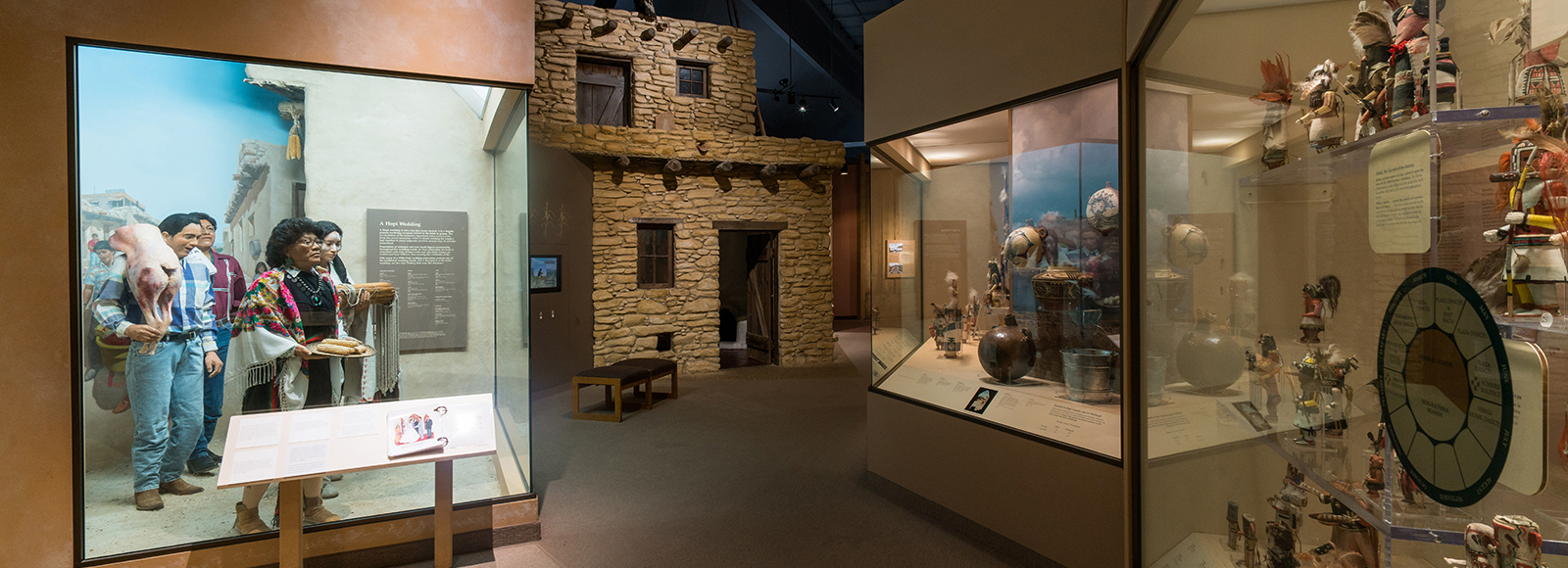
Native American museums serve as vital cultural institutions, preserving and interpreting the rich, diverse, and often complex histories, cultures, and contemporary lives of Indigenous peoples across the Americas. For senior citizens, these museums offer a particularly profound opportunity for intellectual stimulation, emotional engagement, and social connection. However, to maximize their impact for this demographic, a specialized approach focusing on accessibility, tailored interpretive strategies, and specific programming is essential. This article delves into the multifaceted considerations required to create an enriching and meaningful Native American museum experience for seniors, presented in an educational and scholarly style.
I. Foundational Principles: Accessibility and Comfort
The cornerstone of an effective museum experience for senior citizens is robust physical and sensory accessibility. Recognizing the potential for reduced mobility, visual acuity, or auditory processing among older adults, museums must proactively design their spaces and exhibits to be inclusive.
A. Physical Accessibility:

Museums must ensure unimpeded navigation throughout the facility. This includes:
- Ramps and Elevators: Easily accessible and clearly marked ramps and elevators are crucial for multi-level buildings.
- Seating: Ample, strategically placed seating—benches, chairs, or even small lounge areas—within galleries and along pathways allows seniors to rest frequently without feeling rushed or excluded.
- Non-Slip Flooring: Consistent, non-slip flooring materials minimize the risk of falls.
- Wide Pathways: Clear, wide pathways free of obstructions accommodate wheelchairs, walkers, and slower paces.
- Mobility Aids: Offering complimentary or rentable wheelchairs and electric scooters at the entrance is a thoughtful service that significantly enhances access for those with limited endurance.
B. Sensory Considerations:
Environmental factors play a significant role in comfort and engagement:
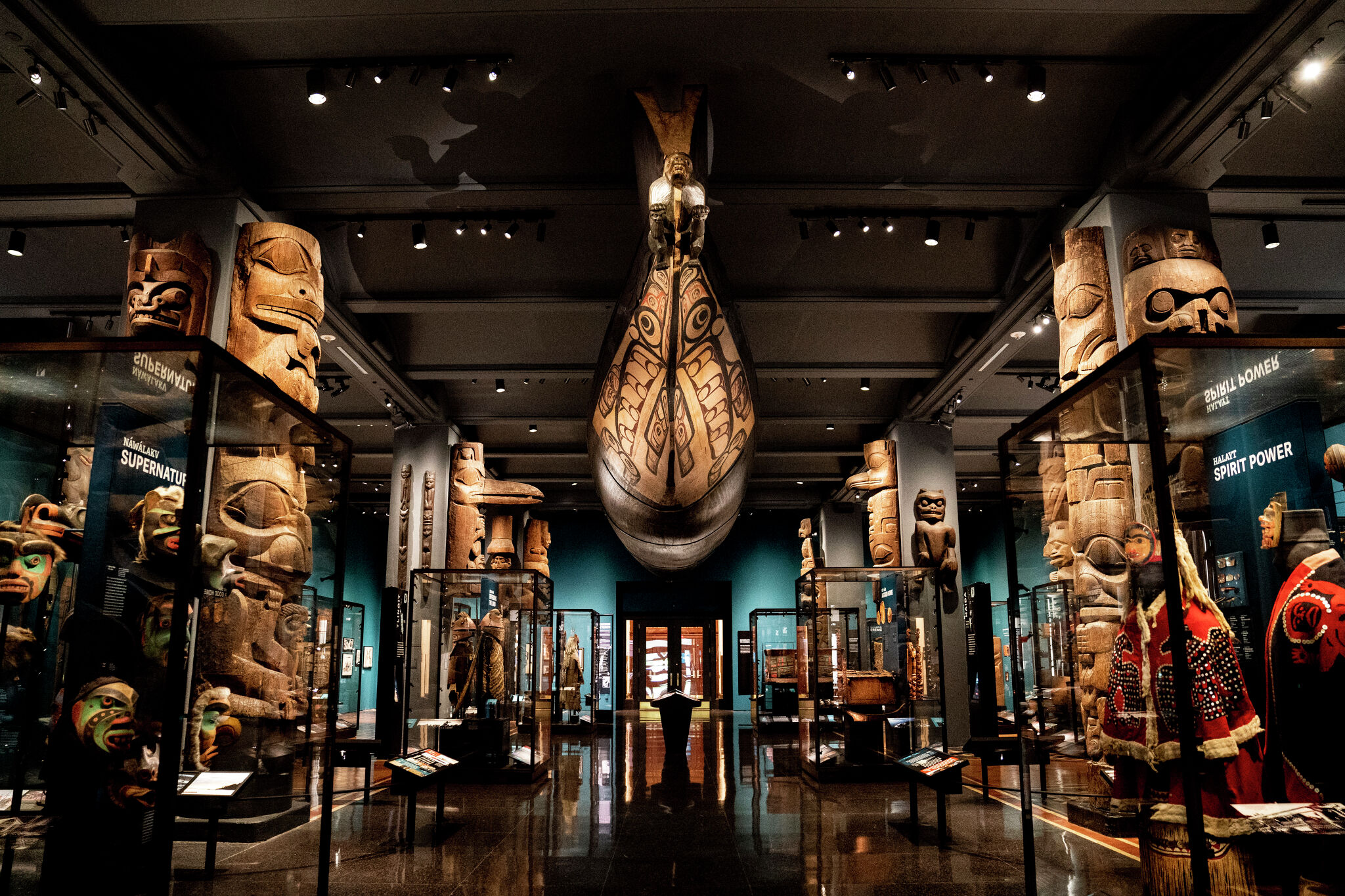
- Lighting: Exhibits should feature adjustable, glare-free lighting. Sufficient illumination is vital for reading labels and appreciating artifacts, but harsh spotlights can cause discomfort. Natural light, when utilized, should be diffused.
- Acoustics: Good acoustics are paramount. Galleries should minimize echo and ambient noise to facilitate clear hearing of audio guides, presentations, and conversations. Quiet zones or designated serene spaces can provide respite from sensory overload.
- Temperature Control: Consistent, comfortable indoor temperatures and humidity levels are important, as older adults can be more sensitive to fluctuations.
- Clear Signage: All directional and informational signage must be highly legible, featuring large, high-contrast fonts and clear, concise language.
C. Amenities:
- Restrooms: Easily locatable, spacious, and fully accessible restrooms with grab bars are non-negotiable.
- Water Fountains/Cafes: Access to hydration and light refreshments can enhance a longer visit.
- Information Desks: Readily available, knowledgeable staff at information desks can provide personalized assistance and answer questions.
II. Curatorial and Interpretive Strategies for Enhanced Senior Engagement
Beyond physical access, the way information is presented and interpreted is critical for engaging senior visitors. Strategies should focus on clarity, depth, and multi-sensory experiences, while respecting diverse learning styles.
A. Pacing and Information Management:
Traditional museum exhibits can be overwhelming due to dense information and rapid transitions. For seniors, a more deliberate pace is beneficial:
- Modular Exhibits: Information should be presented in digestible, modular segments, allowing visitors to engage with topics at their own speed without feeling pressured to absorb everything.
- Focused Narratives: Each exhibit section should have a clear, concise narrative core, avoiding information overload.
- Flexible Visit Paths: Museums can suggest flexible visit paths or highlight key exhibits for those preferring a shorter, more focused experience.
B. Multi-Sensory Engagement:
Engaging multiple senses deepens the learning experience and can be particularly beneficial for seniors, compensating for potential declines in a single sense:
- Tactile Exhibits: Where appropriate and safe, hands-on exhibits featuring replicas of tools, textiles, or materials (e.g., different types of pottery, woven fibers, animal hides) allow for a deeper, more embodied understanding of Indigenous cultures. These should be clearly labeled and supervised.
- Audio Narratives: High-quality audio guides, accessible via user-friendly devices or smartphone apps, are invaluable. They can feature:
- Oral Histories: First-person accounts from Native American elders, artists, and community members provide authentic voices and personal connections.
- Traditional Music and Soundscapes: Immersive soundscapes of traditional ceremonies, natural environments, or daily life enhance the atmosphere and emotional resonance.
- Clear Narration: Professionally recorded narration with clear diction and appropriate pacing.
- Visual Clarity: Exhibit labels should employ large, legible fonts (minimum 16-18 point), high contrast between text and background, and minimal use of reflective surfaces. Images and artifacts should be well-lit and positioned at accessible viewing heights.
C. Narrative and Storytelling:
Seniors often appreciate narrative and personal connection. Museums can leverage this through:
- Oral Traditions: Emphasizing the rich oral traditions of Native American cultures through recorded stories, legends, and historical accounts.
- Personal Histories: Integrating quotes, photographs, and biographical details of individuals who shaped or experienced the depicted cultural elements. This humanizes the exhibits and fosters empathy.
- First-Person Perspectives: Presenting histories and cultural practices from Indigenous perspectives, challenging colonial narratives, and highlighting resilience, adaptation, and sovereignty.
D. Interactive and Participatory Elements:
While complex digital interactives might be challenging, adapted interactive elements can be highly engaging:
- Modified Hands-On Activities: Simple craft demonstrations (e.g., beadwork, weaving, pottery), basket weaving, or traditional cooking demonstrations where seniors can observe or participate in simplified steps.
- Docent-Led Discussions: Trained docents who specialize in senior engagement can facilitate discussions, encourage questions, and share deeper insights, allowing for a more conversational and less didactic learning environment.
- Appropriate Technology Integration: User-friendly tablets or touchscreens with large icons, adjustable font sizes, and clear audio options can offer supplementary information, maps, or video clips. Virtual reality (VR) or augmented reality (AR) can be cautiously introduced, ensuring interfaces are simple and experiences are not disorienting.
E. Thematic Focus:
Museum content should be curated to offer both historical depth and contemporary relevance:
- Historical Accuracy and Resilience: Presenting the full scope of Native American history, including pre-contact civilizations, the impact of colonization, forced removals, and the enduring resilience and adaptation of Indigenous communities.
- Contemporary Life and Cultural Dynamism: Showcasing current Native American art, activism, language revitalization efforts, scientific contributions, and cultural practices to challenge stereotypes and demonstrate the vibrancy of modern Indigenous societies.
- Cross-Cultural Dialogue: Fostering understanding and empathy by highlighting shared human experiences and promoting dialogue between different cultural backgrounds.
III. Specialized Programs and Educational Offerings
Tailored programming can significantly enhance the museum experience for seniors, moving beyond passive observation to active learning and social engagement.
- Senior-Specific Guided Tours: These tours are designed with a slower pace, more frequent rest stops, smaller group sizes, and docents trained to engage with seniors, allowing ample time for questions and personal reflection.
- Lectures and Seminars: Offering talks on specific aspects of Native American history, art, or contemporary issues, presented by scholars, tribal members, or cultural experts, using accessible language and allowing for Q&A sessions.
- Workshops: Practical workshops on traditional Native American crafts (e.g., basic basket weaving, simple beadwork, storytelling techniques), traditional cooking, or language basics (e.g., common greetings, simple phrases) provide hands-on learning and cultural immersion.
- Film Screenings and Discussions: Presenting documentaries or historical dramas related to Native American themes, followed by facilitated discussions that encourage critical thinking and sharing of perspectives.
- Outreach Programs: Developing programs that can be brought to senior centers, assisted living facilities, or community groups, making the museum’s resources accessible to those who may have difficulty visiting in person.
IV. Community, Social Connection, and Intergenerational Learning
Museums can serve as vital hubs for social interaction and intergenerational exchange for seniors.
- Opportunities for Peer Interaction: Creating dedicated senior programming days or special events fosters a sense of community among older visitors, reducing social isolation.
- Intergenerational Programs: Designing programs that encourage seniors to visit with grandchildren, such as family-friendly workshops or storytelling sessions, promotes intergenerational learning and the sharing of cultural knowledge.
- Volunteer Engagement: Offering volunteer opportunities tailored for seniors, such as docent roles, archival assistance, or administrative support, provides meaningful engagement, leverages their life experience, and keeps them actively involved in the museum’s mission.
V. Holistic Benefits for Senior Citizens
A thoughtfully designed Native American museum experience offers numerous holistic benefits for senior citizens:
- Cognitive Health: Engaging with new information, historical narratives, and diverse cultural perspectives stimulates critical thinking, memory recall, and lifelong learning, contributing to cognitive vitality.
- Emotional and Psychological Well-being: Exposure to diverse cultures fosters empathy, reduces prejudice, and offers new perspectives on resilience and human experience. Connection to cultural narratives can provide a sense of meaning and purpose, combating feelings of isolation.
- Physical Well-being: Gentle walking through galleries and participation in light hands-on activities provide mild physical exercise, supporting overall health.
- Cultural Enrichment: Deepening understanding of Native American cultures enriches one’s worldview, promotes respect for diversity, and highlights the contributions and contemporary relevance of Indigenous peoples.
Conclusion
Native American museums hold immense potential for enriching the lives of senior citizens. By prioritizing physical and sensory accessibility, employing thoughtful curatorial and interpretive strategies, and offering specialized programs, these institutions can transform from mere repositories of artifacts into dynamic, engaging, and deeply meaningful spaces. Such tailored approaches ensure that senior visitors can fully immerse themselves in the profound stories, artistic expressions, and enduring legacies of Native American peoples, fostering not only intellectual growth but also promoting social connection, emotional well-being, and a lifelong appreciation for Indigenous cultures. The investment in creating such inclusive environments is an investment in the cognitive, emotional, and social health of our senior population, underscoring the museum’s role as a vital contributor to community well-being and intergenerational understanding.


