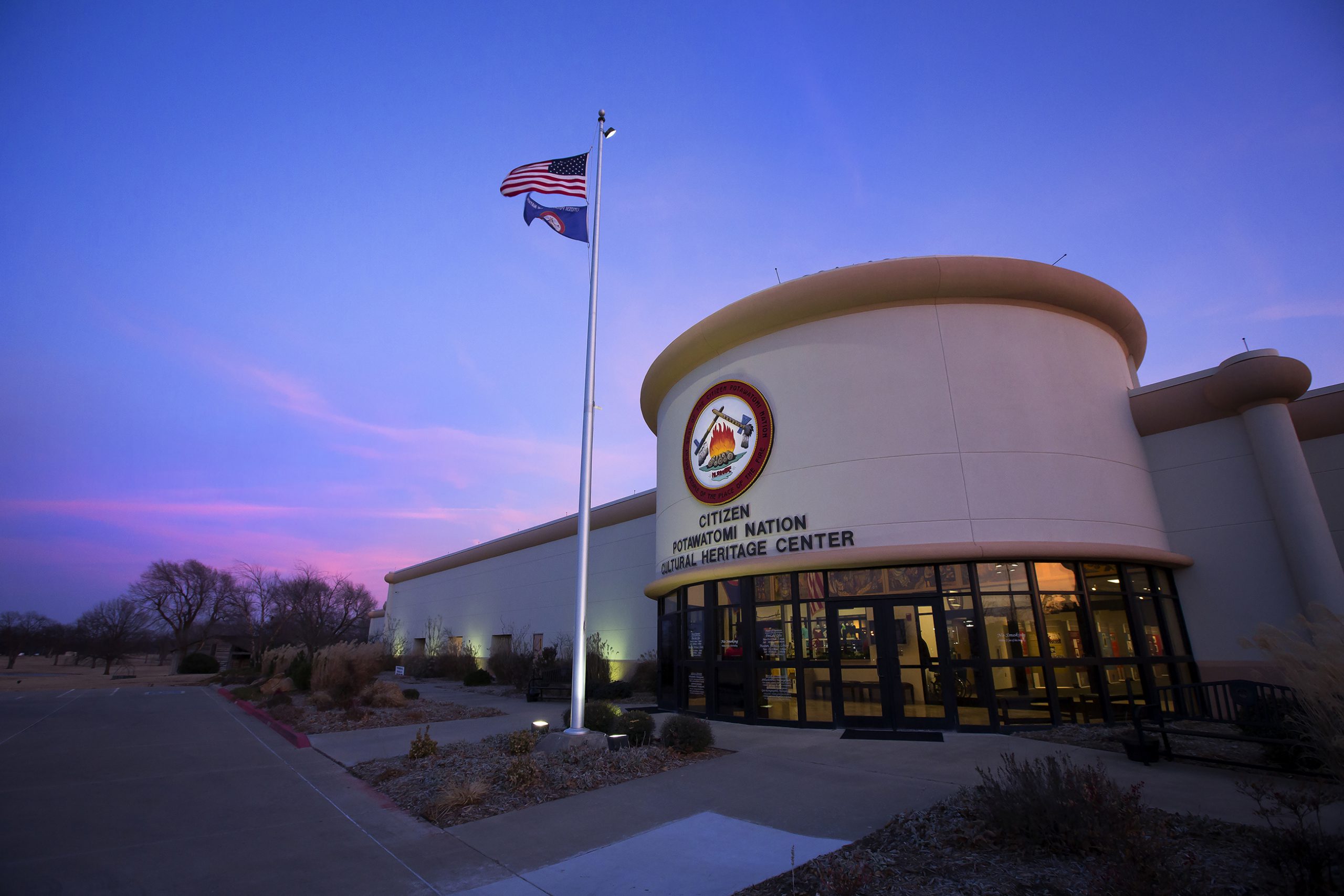
The Potawatomi Cultural Heritage Center: A Beacon of Indigenous Reclamation and Revitalization
In an era where Indigenous cultures globally strive for self-determination and the revitalization of ancestral knowledge, the Potawatomi Cultural Heritage Center (PCHC) stands as a prominent and deeply significant institution. Located within the ancestral lands of the Forest County Potawatomi Community near Crandon, Wisconsin, the PCHC is far more than a conventional museum; it is a living repository, an educational hub, and a spiritual home dedicated to the preservation, promotion, and perpetuation of Potawatomi (Bodéwadmi) culture, language, and history. This center embodies a proactive response to centuries of cultural erosion, offering a powerful testament to the resilience and enduring vibrancy of the Potawatomi Nation.
Historical Context and Genesis: A Legacy of Resilience
To fully appreciate the PCHC, one must understand the historical trajectory of the Potawatomi people. Known as the "People of the Place of the Fire," the Potawatomi traditionally occupied a vast territory encompassing parts of present-day Michigan, Wisconsin, Illinois, Indiana, and Ohio. Their rich cultural tapestry was characterized by a deep connection to the land, sophisticated social structures, and a vibrant spiritual life guided by the Anishinaabemowin language family.
The advent of European colonization brought profound disruption. Through a series of treaties, forced removals, and federal assimilation policies – most notably the establishment of boarding schools designed to "kill the Indian, save the man" – Potawatomi communities experienced immense pressure to abandon their language, spiritual practices, and traditional lifeways. Despite these devastating efforts, many Potawatomi individuals and families maintained elements of their heritage, often in secret, ensuring that the flame of their culture was never extinguished.
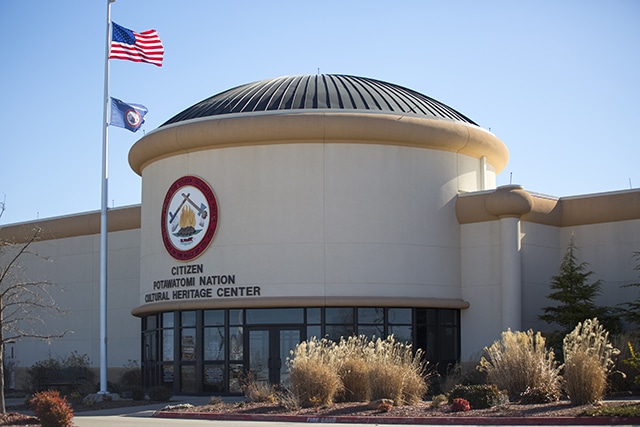
The late 20th and early 21st centuries witnessed a powerful resurgence of Indigenous self-determination. For the Forest County Potawatomi Community, this period was marked by a renewed commitment to cultural reclamation. The vision for the PCHC emerged from a collective desire to heal historical trauma, reconnect younger generations with their roots, and assert the inherent right to define and transmit their own narrative. It represents an institutionalization of this commitment, providing a dedicated space and resources for cultural continuity that extends beyond individual efforts.
Core Mission and Philosophical Underpinnings
The PCHC’s mission is multifaceted, rooted in a philosophy that prioritizes Indigenous voice, self-governance, and a holistic approach to cultural preservation. Its primary objectives include:
- Preservation: To collect, document, and safeguard Potawatomi artifacts, archival materials, oral histories, and intellectual property for future generations.
- Education: To serve as a primary educational resource for both Potawatomi community members and external audiences, fostering accurate understanding of Potawatomi history, culture, and contemporary life.
- Revitalization: To actively promote the revitalization of the Bodéwewadmimwen language, traditional arts, ceremonies, and ecological knowledge.
- Community Empowerment: To provide a communal space that strengthens cultural identity, fosters intergenerational connections, and supports the overall well-being and sovereignty of the Forest County Potawatomi Community.

Unlike many colonial-era museums that historically presented Indigenous cultures as static or "of the past," the PCHC emphasizes that Potawatomi culture is dynamic, evolving, and vibrantly alive. Its approach is decolonized, meaning it is governed by and for the Potawatomi people, ensuring that interpretations and narratives are authentic and culturally appropriate.
Key Components and Programs
The PCHC employs a diverse array of programs and facilities to achieve its mission:
1. Exhibits and Collections
The heart of the PCHC lies in its meticulously curated exhibits. These displays transcend mere artifact presentation, weaving together historical narratives, contemporary perspectives, and the voices of Potawatomi people. Permanent exhibits often trace the journey of the Potawatomi from pre-contact lifeways through the challenges of colonization, treaty negotiations, and the ongoing assertion of tribal sovereignty. Themes frequently explored include:
- Traditional Lifeways: Showcasing tools, regalia, ceremonial objects, and daily implements that illustrate hunting, gathering, agriculture, and spiritual practices.
- Historical Trauma and Resilience: Addressing the impacts of forced removal and assimilation policies while highlighting the strength and adaptability of the Potawatomi people.
- Sovereignty and Self-Determination: Explaining the political structure of the Forest County Potawatomi Community, its government-to-government relationship with federal and state entities, and its economic development initiatives.
- Contemporary Potawatomi Life: Presenting the vibrant present, including modern artists, community initiatives, and the ongoing evolution of cultural identity.
Crucially, the PCHC adheres to ethical collection practices, including compliance with the Native American Graves Protection and Repatriation Act (NAGPRA). Artifacts are presented within their cultural context, often accompanied by oral histories and explanatory texts in both English and Bodéwewadmimwen, offering a multi-sensory and deeply respectful visitor experience.
2. Language Revitalization Program
The Bodéwewadmimwen language is considered the soul of Potawatomi culture. Recognizing the critical endangerment of many Indigenous languages due to historical suppression, the PCHC dedicates substantial resources to language revitalization. Programs include:
- Adult Language Classes: Ranging from beginner to advanced levels, often taught by fluent elders or trained language instructors.
- Youth Immersion Programs: Creating opportunities for children to learn and use the language in natural, engaging settings.
- Digital Resources: Developing online dictionaries, apps, and interactive learning materials to make the language accessible beyond the physical center.
- Language Nest Initiatives: Fostering environments where Bodéwewadmimwen is the primary language spoken, promoting intergenerational transfer.
- Documentation and Archiving: Recording and transcribing the speech of fluent elders to preserve their unique dialects and knowledge.
These efforts are vital for ensuring that the language, with its embedded worldview and cultural nuances, thrives for future generations.
3. Traditional Arts and Crafts Workshops
The PCHC actively promotes the practice and transmission of traditional Potawatomi arts. Workshops are regularly offered in disciplines such as:
- Basket Weaving: Using traditional materials like black ash, sweetgrass, and birch bark.
- Beadwork and Quillwork: Techniques for creating intricate designs on regalia, bags, and other items.
- Regalia Making: Guiding community members in crafting their own traditional clothing for ceremonies and powwows.
- Woodcarving and Pottery: Reviving ancient forms of artistic expression.
These workshops not only teach technical skills but also convey the cultural significance, spiritual meaning, and historical context of each art form, often led by master artists and elders who serve as mentors.
4. Oral Histories and Archival Resources
A cornerstone of Indigenous knowledge systems is oral tradition. The PCHC actively collects and preserves oral histories from elders, ensuring their personal narratives, traditional knowledge, and linguistic heritage are documented for posterity. This serves as a vital counterbalance to written historical accounts that often reflect colonial biases. The center also maintains an extensive archive of documents, photographs, and genealogical records, providing invaluable resources for scholarly research and community members tracing their family histories.
5. Educational Outreach and Community Engagement
The PCHC extends its educational mission beyond its walls. It collaborates with local schools, universities, and other cultural institutions to provide educational programming, workshops, and presentations that challenge stereotypes and promote accurate understanding of Indigenous peoples. Within the community, the center hosts cultural events, powwows, ceremonies, and community gatherings, reinforcing its role as a central hub for Potawatomi cultural life and celebration.
6. Land and Environment Stewardship
Reflecting the deep Potawatomi connection to aki (earth), the PCHC often incorporates elements of traditional ecological knowledge and environmental stewardship. This can manifest through exhibits on sustainable resource management, native plant gardens, or programs that connect community members to the land through traditional harvesting practices and ceremonies.
Impact and Significance
The Potawatomi Cultural Heritage Center’s impact is profound and far-reaching:
- For the Potawatomi Community: It fosters a strong sense of identity, pride, and belonging among community members, particularly youth. It serves as a space for healing from historical trauma, reconnecting with ancestral practices, and strengthening intergenerational bonds. It is a tangible assertion of sovereignty and self-determination, demonstrating the community’s capacity to define and control its own cultural narrative.
- For External Audiences: The PCHC serves as a vital bridge for cross-cultural understanding. It educates non-Indigenous visitors about the rich history and contemporary vitality of the Potawatomi people, dispelling misconceptions and promoting respect for Indigenous cultures.
- Broader Implications: The PCHC stands as a model for other Indigenous nations seeking to reclaim, revitalize, and sustain their cultural heritage. Its commitment to community-led governance and decolonized practices offers an alternative paradigm to traditional museum models, emphasizing active cultural participation over passive observation. It contributes significantly to the global movement for Indigenous rights and cultural equity.
Challenges and Future Directions
Like all cultural institutions, the PCHC faces ongoing challenges, including securing sustainable funding, managing growing collections, and adapting to technological advancements. The urgent need for more fluent Bodéwewadmimwen speakers remains a paramount concern, requiring continuous innovation in language pedagogy.
Looking ahead, the PCHC aims to expand its digital presence, making its resources accessible to a broader audience, including Potawatomi people living off-reservation. Continued collaboration with other Indigenous communities and academic institutions will further strengthen its mission, ensuring its enduring legacy as a vibrant center of Potawatomi life and a beacon of Indigenous cultural resurgence for generations to come.
In conclusion, the Potawatomi Cultural Heritage Center is more than a building; it is a dynamic, living institution that embodies the enduring spirit, resilience, and cultural richness of the Potawatomi Nation. It serves as a powerful testament to the transformative potential of Indigenous self-determination, actively shaping a future where ancestral knowledge and contemporary identity thrive in harmony.


